From Delany
to Deligny,
Examples
⚘ Times Square pre-1995. Few writers have communicated the life, specificity, and wisdom gained in an institution as patiently, generously, movingly, thoughtfully as Delany does under the sign of their demolition.
“[T]he class war raging constantly and often silently… perpetually works for the erosion of the social practices through which interclass communication takes place and of the institutions holding those practices stable, so that new institutions must always be conceived and set in place to take over the jobs of those that are battered again and again till they are destroyed.” (Samuel Delany, Times Square Red, Times Square Blue 111)
“Following directly from my primary thesis, my primary conclusion is that, while still respecting the private/public demarcations (I do not believe that property is theft), we’d best try cutting the world up in different ways socially and rearranging it so that we may benefit from the resultant social relationships. For decades the governing cry of our cities has been ‘Never speak to strangers.’ I propose that in a democratic city it is imperative that we speak to strangers, live next to them, and learn how to relate to them on many levels, from the political to the sexual. City venues must be designed to allow these multiple interactions to occur easily, with a minimum of danger, comfortably, and conveniently. This is what politics—the way of living in the polis, in the city—is about.” (Times Square Red, Times Square Blue 193)
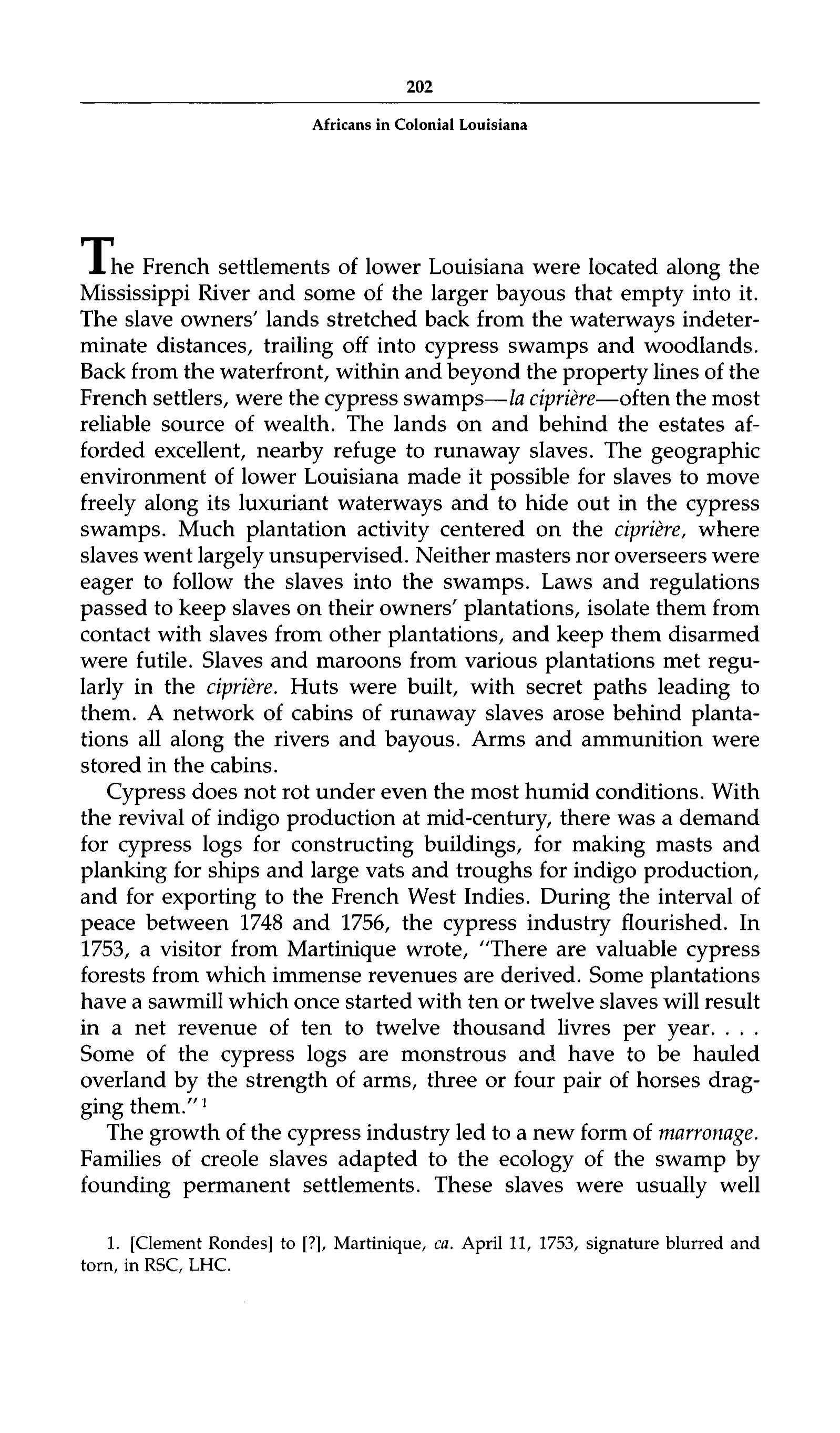
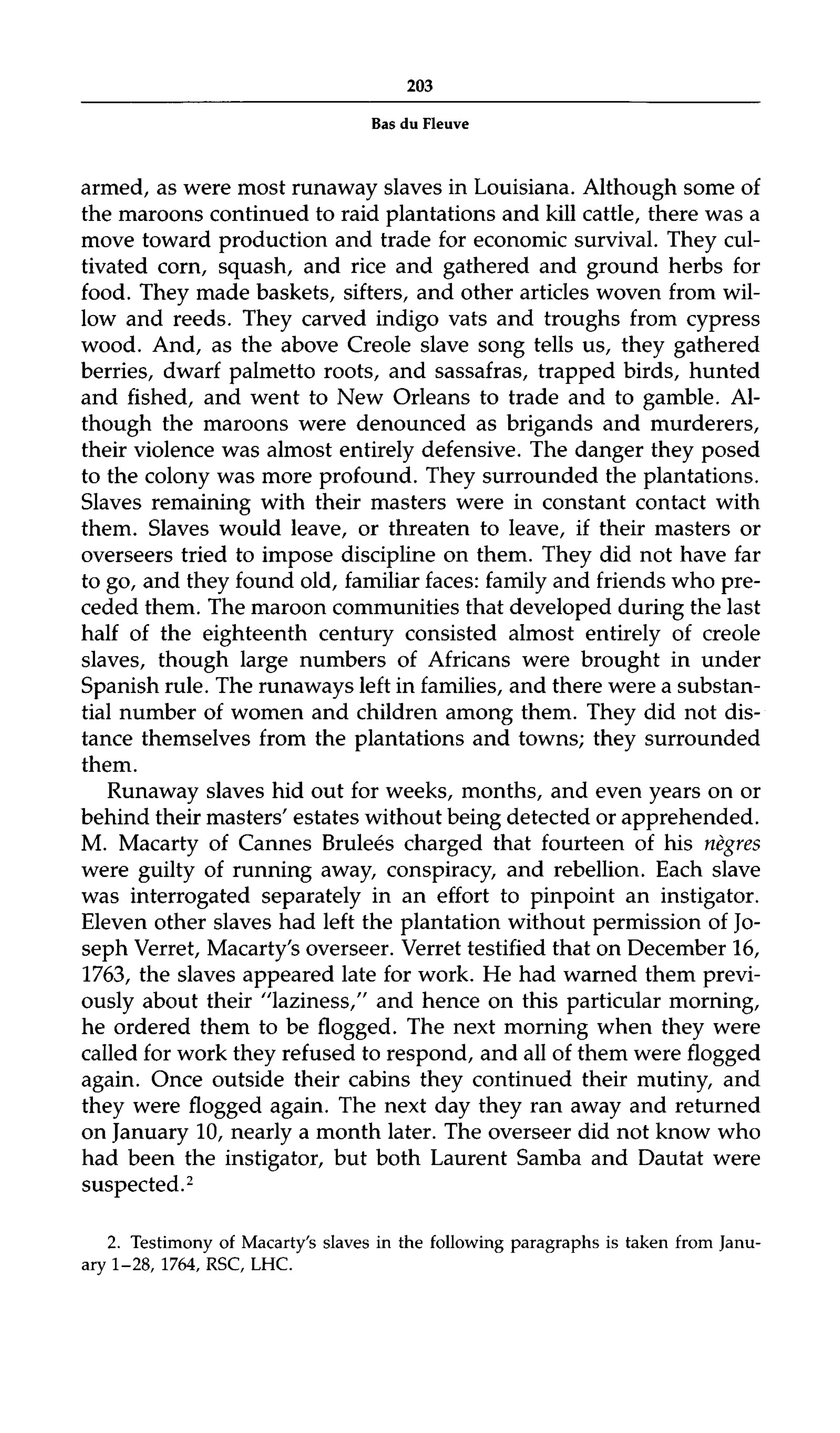
⚘ Along the Mississippi, ciprière marshes:
⚘ August 14, 1791, another marsh: the Bois-Caïman. A manbo (vodou priestess) named Cécile Fatiman, a revolutionary named Dutty Boukman, and two hundred fellow slaves from nearby plantations sacrificed a hog and set the date of revolt.
⚘ Buñuel’s Hope Takes the Streetcar - - perfectly functioning tramcar, which they’ve just repaired, was slated for replacement (typical managerial move surely to line someone’s pockets) and it’s weighing on the workers in the evening, at the Christmas party, calling to them; end of the party, drunk, they pull up in the tramcar, ring the bell: they’ll ferry everyone home. That takes them to the end of the line: the meat market, where the tram once went but now only the bus goes, it’s a poor neighborhood, and by then it’s the early morning - - their last fare disembarks and a crowd of workers boards, surprised that the tram is back. The pirates say keep the money and drive them all home too. But by then it’s morning - - for the rest of the film they’re playing cat and mouse with the world of the day. Buñuel’s imagination often begins from the unreality of bourgeois life; satire sublates itself, its image gains some kind of autonomy. But in La ilusión viaja en tranvía, no amour fou, no jealousy, no bourgeois passion whatsoever; magical realism is social. That’s why “hope” is the right translation.
⚘ Another image of transport, 17th-19th centuries: the Underground Railroad [map].
⚘ The Philosophy Department Office at Paris VIII, where you wait outside the door. The secretary is on the phone with future students from Algeria. Illustration of the bureaucratic cunning of an institution that inhabits a university: several departments of Paris VIII have circumvented (“déjoué” is the word) Macron’s multiplication of non-EU students’ fees by twenty.
⚘ Miyazaki’s institutions. Postal systems and messengers. Transport systems. They are institutions that make distances viable. The train Chihiro takes to the house of the good witch. The spa itself, in all of its floors from the stoker with his mustache to the tubs where an unrecognizable river finally finds his surgeon (Chihiro uproots the fish-spine of plastics from its heart; sludge fills the building and washes away.)


⚘ Dial-A-Poem.
⚘ Cork bulletin board in the bookstore (perhaps the only queer-friendly space in town).
⚘ As she entered the prison yard, the trees she saw. Who planted them: prisoners before her as they were marched in. Dropping smuggled seeds. Growing now for decades.
⚘ Weekly dawn glean at Rungis for no-price market on the Île Saint-Denis.
⚘ Tapes, audio cassettes of imams in Iran in the late 1970s (cf. Michel Foucault’s journalism of the period). Videocassettes of Mohammad Khordadian in the 1980s and 90s, which (without exaggeration) permanently changed the way people (in general) danse in Iran.
⚘ Saint-Alban, the Cévennes. La Borde. Lignes d‘erre from 1972:
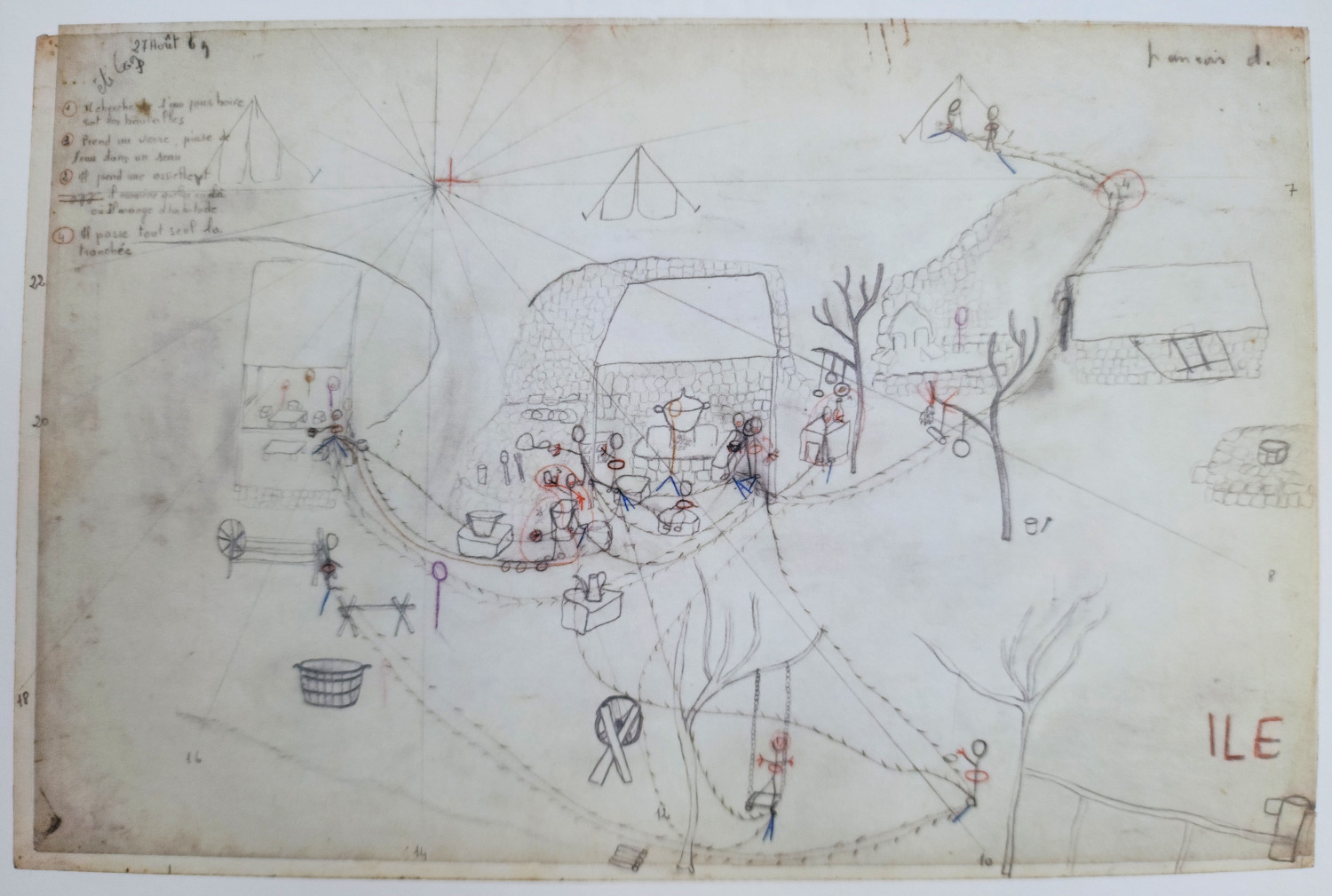
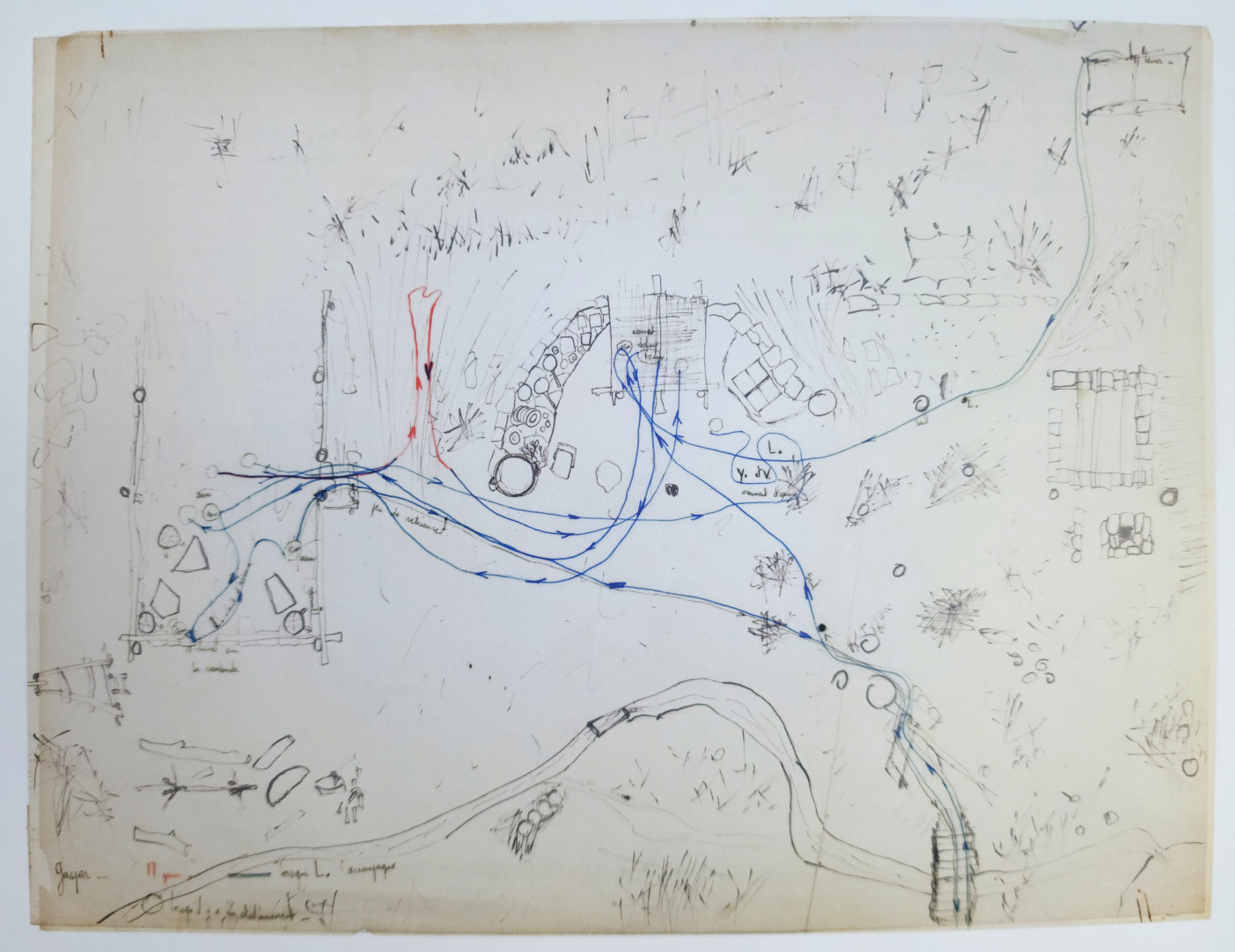
⚘ The Cévennes, Fernand Deligny, “présences proches” and Janmari. Their film, Ce gamin-là:
⚘ L‘Atelier, La Ruche populaire, L‘Artisan, Le Globe, Saint-Simonian and other bulletins published and read by proletarians themselves (not exclusively by representatives) in the 19th century; La Tribune des femmes / La Femme libre, Saint-Simonian feminist. The stories Rancière retells in his beautiful Proletarian Nights.
⚘ December 1956, first broadcast of Voix de l’Algérie libre et combattante. Winged messanger, agile on the AM gamut, wrested Radio from the colonial sky.
⚘ Radio’s solidarity at a distance. First Voices Radio in North America, an FM call-in broadcast to reservations. Last episode, July 6, 2025. Native America Calling is still daily.
⚘ And in the womens’ ward you could have books, you could cook together, you could read together. That’s your inheritance, decades of cellmates fought for it. Together, you are powerful. And really, that’s your inheritance: collective power.
⚘ The living books of Time has fallen asleep in the afternoon sunshine (2010-present); their library-brothels.
⚘ A round of “Ring Around the Rosie” is easy to start and easy to learn.
Ring around the rosie, pocket full of posies.
Ashes, Ashes. We all fall down.
Years later, you learn what was in it: history. The roses were once our plague welts. “Ashes, ashes,” we made death ours, we held it together and, falling, became “We”. (Wittgenstein’s example of a language game. Not all games are chess and not all regularities are “rules.”)
⚘ The Womens Bookstore of Milan, Libreria delle Donne di Milano since 1975. Not just a library but a collective (an institution), a place for thinking together, organizing, publishing. - - A practice they named “entrustment”, affidamento, has recently become better known abroad thanks to the interventions of Alex Martinis Roe. Proposing an exercise which cannot really a practice with such duration, she introduces affidamento thus:
“Affidamento is a term that describes a relationship between two women, where each entrusts herself to the other, so that each can use her talents, competences, and desires to open new political spaces for the other. It is not that the Milan Women’s Bookstore co-operative invented this kind of relationship, but rather they put a name to it. They named a kind of relationship, which now and historically has been indispensible for women to achieve political aims. Indeed in naming it, and practicing it intentionally, they created a radical ethics of difference, where this entrustment to the other is actually an entrustment to her difference—in other words, a radical openness and commitment to another’s irreducible difference, her uniqueness. This relationship is not one of identification—it is not that these two women see themselves in one another—on the contrary, it is through their differences that they desire to not only work together, but also to re-form the self as a uniqueness that comes about through its recognition by another and the affirmation of that uniqueness as sexuate. Affidamento is a practice of commitment-through-difference in relationships among women.”
(Read more online [here]. Her film/video installation, To Become Two is a startling resource [details here; the relevant video is actually on vimeo right now]. As is, of course, the book that followed it, To Become Two: Propositions for Feminist Collective Practice [Archive Books].)
Write to crew ɐ obiits ◊ org.